
 by
by Eye floaters are one of those things most people notice at some point in life. They may look like squiggly lines, specks, or cobwebs drifting across your vision—especially when staring at a bright sky or a white wall. While floaters can seem worrying at first, most of the time they’re harmless. However, in some cases, they can signal something more serious.
In this guide, we’ll break down what floaters are, why they happen, who is most at risk, and when it’s important to call an eye doctor.
What Are Eye Floaters?
Eye floaters are small shapes that drift across your field of vision. They move as your eyes move and can seem to dart away when you try to focus on them.
For most people, floaters are simply an annoyance. They’re usually the result of age-related changes in the vitreous—the clear gel-like fluid inside your eye.
What Causes Eye Floaters?
Floaters appear when the vitreous becomes more liquid with age. Tiny fibers in the gel can clump together, casting small shadows on the retina. These shadows are what you see as floaters.
Sometimes, floaters can be linked to more serious eye problems, such as:
Retinal tears or retinal detachment (a medical emergency)
Eye infections
Uveitis (inflammation inside the eye)

Credit: Unsplash
Who Is Most at Risk?
Anyone can develop floaters, but some people are more likely to experience them. You may be at higher risk if you:
- Are nearsighted
- Have had cataract surgery
- Live with diabetes, which can lead to diabetic retinopathy
- Are aging, since vitreous changes are common over time
Symptoms to Watch For
Most floaters are harmless, but there are certain symptoms you should never ignore:
- A sudden increase in floaters
- Flashes of light in your vision
- A dark shadow or curtain moving across your eyesight
These can be warning signs of retinal detachment, which requires urgent medical attention to save your vision.
How Are Floaters Diagnosed?
If you notice sudden changes in your vision, an eye doctor will likely perform a dilated eye exam. This involves using eye drops to widen your pupils so the doctor can carefully examine your vitreous and retina for tears, detachment, or other issues.

Credit: Unsplash
When Floaters Are a Medical Emergency
Most of the time, floaters don’t need treatment. But if you notice:
- More floaters than usual appearing suddenly
- Bright flashes of light
- A curtain-like shadow spreading across your vision
👉 Seek emergency care immediately. Retinal tears and detachment can cause permanent vision loss if not treated quickly.
Treatment Options for Floaters
For most people, treatment isn’t necessary—floaters often fade or become less noticeable with time. But if floaters seriously interfere with your vision, there are two medical options:
- Vitrectomy – A surgical procedure where the vitreous gel is removed and replaced with a saline solution.
- Laser therapy – Uses a laser to break floaters into smaller pieces, making them less noticeable.
⚠️ Both procedures carry risks, including infection or retinal damage, so they’re only recommended for severe cases.

Credit: Unsplash
Lifestyle Tips for Managing Floaters
If your floaters are mild, some lifestyle habits can help you manage them naturally:
- Eye exercises: Moving your eyes up and down may shift floaters out of your direct line of sight.
- Eat for eye health: Foods rich in omega-3 fatty acids, vitamin A, and zinc support healthy vision.
- Quit smoking: Smoking increases the risk of eye problems and slows healing.
- Regular check-ups: Early detection is the best way to prevent serious eye issues.
For more healthy lifestyle tips, check out our Wellness Section on ViralSensei (add exact link to relevant article).
The Long-Term Outlook
For most people, eye floaters are simply part of getting older and don’t pose a serious threat. The key is knowing the difference between harmless floaters and warning signs of something more serious.
Dr. Rick Ansorge advises: “If you experience sudden changes in your vision, always seek medical advice immediately.”
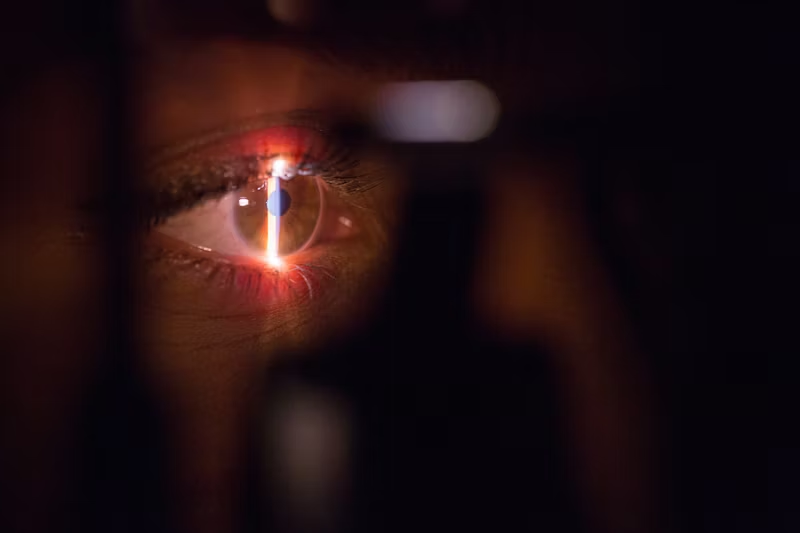
Credit: Unsplash
Bonus Section: Do Detox Diets Really Work?
Detox diets are another popular wellness trend, promising to cleanse your body and boost energy. But do they actually work?
What Science Says
- Your liver, kidneys, lungs, skin, and digestive system are already natural detox machines.
- Most detox programs never explain what “toxins” they’re removing.
- Rapid weight loss from detoxing often comes from water loss and muscle breakdown, not real fat loss.
- Some detox teas and supplements can even be harmful—causing dehydration or liver issues.
For a deeper dive, check out our full guide on Detox Diets: Myths vs. Science (add link).
Healthier Alternatives to Detox Diets
Instead of expensive cleanses, focus on habits that truly support your body’s natural detox system:
- Eat whole foods like fruits, vegetables, and whole grains
- Drink enough water
- Get 7–9 hours of sleep each night
- Exercise regularly
- Limit alcohol and ultra-processed foods
- Manage stress with mindfulness or breathing exercises
These changes are proven to boost overall health—without gimmicks.
Credit: Unsplash
When Detoxing Can Be Risky
Not everyone should try detox programs. Avoid them if you are:
- Pregnant or breastfeeding
- Living with diabetes or chronic illness
- Taking medications that may interact with supplements
- Following programs that involve extreme fasting or very low calories
Always talk to a doctor before starting any detox regimen.
What About Intermittent Fasting?
Unlike trendy detox diets, intermittent fasting (IF) has some real science behind it. Studies suggest it may:
- Improve insulin sensitivity
- Encourage cell repair (autophagy)
- Reduce inflammation
But IF is not the same as a detox. It’s a structured eating style, and it works best when paired with balanced nutrition.

Credit: Unsplash
Final Thoughts: Real Detox Comes from Healthy Living
At the end of the day, your body doesn’t need miracle teas, pills, or juice cleanses to detox—it already knows how. Instead of short-term gimmicks, focus on building sustainable habits:
- Eat real, whole foods
- Stay hydrated
- Sleep well
- Move regularly
- Reduce stress
That’s the most powerful and proven form of detox you’ll ever need.
👉 For more wellness guides and lifestyle tips, check out Viralsensei’s Health Section.