 by
by Health experts are sounding the alarm: people who vape may be more vulnerable to new COVID variants emerging this winter.
While the pandemic may feel like a distant memory, the virus hasn’t gone anywhere. Two new subvariants — Stratus and Nimbus — are now circulating widely across the UK, according to the UK Health Security Agency (UKHSA) (UKHSA blog).
The New Variants on the Rise
UKHSA surveillance data shows that Stratus (XFG) and Nimbus (NB.1.8.1) are now among the most common COVID strains in the country. Health authorities have reassured the public there’s no evidence these variants cause more severe illness than before, but they are highly transmissible, especially as colder months set in (BBC News).
The NHS notes that winter always sees a spike in respiratory viruses, making now the time to boost personal protection and stay alert to new symptoms (NHS guidance).

What Symptoms Are People Reporting?
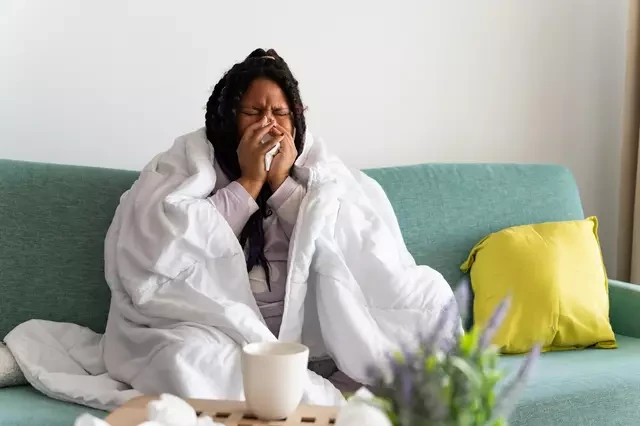
Those infected with Stratus or Nimbus are describing a few notable symptoms that differ slightly from earlier strains:
- A hoarse, croaky voice that can last several days
- A “razor-blade” sore throat, often sharper than in earlier COVID cases (The Guardian)
- Digestive discomfort, including bloating, nausea, or acid reflux
Of course, the more familiar signs — cough, fever, fatigue, and shortness of breath — are still present.
For a quick comparison of COVID and flu symptoms, you can read our guide on how to tell the difference and learn when to seek medical advice.
Why Vaping Could Make COVID Harder on Your Lungs
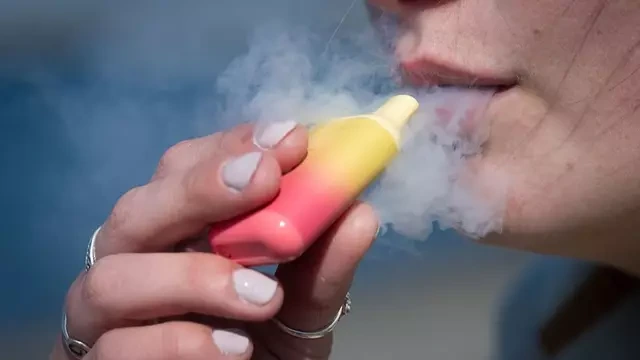
Experts warn that vaping could add another layer of risk. The vapor from e-cigarettes carries propylene glycol, flavoring chemicals, nicotine, and trace metals that don’t stay at the surface of your lungs — they seep deeper, irritating delicate tissue.
According to Dublin City University’s School of Biotechnology, this irritation affects the endothelium, the thin layer of cells lining blood vessels and air sacs in your lungs (MedicalXpress). When COVID attacks, that same layer becomes inflamed. The combination can worsen infection and slow recovery.
Dr. Keith Rochfort, a biotechnology researcher, explains that “vaping adds extra stress to tissues the virus has already damaged,” making the lungs work harder to heal.
If you’re looking for natural ways to strengthen your lungs, check out our feature on boosting respiratory immunity.
The Science Behind the Warning
Vaping doesn’t just irritate your lungs — it can also make it easier for the virus to get in. Studies show that it increases ACE2 receptors, which are the same gateways SARS-CoV-2 uses to infect cells (ScienceDirect).
That means vapers might have more entry points for the virus and less capacity to repair damage once infection takes hold.
If you’ve been wondering whether daily habits influence your immune system, you’ll want to read our insight on how lifestyle affects viral resistance.
What the UK Government Recommends
Government guidance is more relaxed now, but experts say caution still matters. The UKHSA and NHS both advise:
- If you test positive, stay home for about five days (three for children) when possible.
- Avoid close contact with people who are unwell or immunocompromised.
- Keep indoor spaces well ventilated and continue washing hands frequently.
- Masks remain optional, but helpful in crowded or poorly ventilated areas.
- Stay up to date with COVID boosters and flu vaccines — they remain the best protection this season (NHS advice).
For a full breakdown of preventive steps this winter, visit our detailed guide on staying virus-free during the cold months.
What Vapers Can Do Right Now
You don’t need to quit overnight, but cutting back could make a difference — especially during peak virus season.
Here’s what health professionals recommend:
- Limit or pause vaping while infection rates are high.
- Stay vaccinated — it reduces the risk of severe illness.
- Hydrate and rest to support lung recovery.
- Avoid smoke and air pollutants.
- Seek medical help early if breathing becomes difficult.
If you’re ready to step away from vaping, read our practical walkthrough on how to stop vaping safely — it’s designed to make quitting realistic, not painful.
Featured Image Credit: Matthew Horwood/Getty Images