
 by
by Health officials are warning beachgoers and seafood lovers along the Gulf Coast after a dangerous “flesh-eating” bacteria called Vibrio vulnificus has caused at least eight deaths this summer.
The Louisiana Department of Health reported 17 cases since July 30, all requiring hospitalization, with four fatalities. Florida isn’t far behind—13 cases and four deaths have already been confirmed. The numbers are much higher than usual; Louisiana typically sees about seven cases a year.
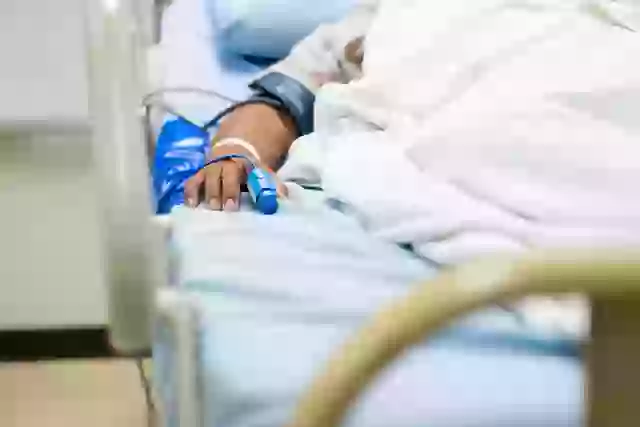
Over a dozen people have been hospitalized with the infection in Louisiana alone (Getty Stock Photo)
So, what’s behind this surge? And more importantly—how can you stay safe?
What is Vibrio vulnificus?
Vibrio vulnificus is a type of bacteria that lives in warm, salty, or brackish water. According to the CDC (source), Vibrio infections cause about 80,000 illnesses in the U.S. each year. While most are mild, V. vulnificus can lead to severe infections, sometimes even death.
You can catch it in two main ways:
✔ Open wounds exposed to seawater
✔ Eating raw or undercooked shellfish (like oysters)

Vibrio vulnificus is found in salt water or brackish water (Getty Stock Photo)
It doesn’t spread person-to-person, but people with liver disease, diabetes, or weakened immune systems are at higher risk.
Symptoms to Watch For
The infection can escalate fast, so early treatment is critical. Symptoms include:
- Severe skin infection (dead tissue, black or purple patches)
- Painful, blood-filled blisters (hemorrhagic bullae)
- Fever and chills
- Nausea and vomiting
- Low blood pressure
If you notice any of these signs after being in seawater or eating shellfish, go to the ER immediately.
How is it Treated?
Doctors use strong antibiotics and, in some cases, surgery to remove infected tissue. According to the Cleveland Clinic (source), you shouldn’t wait for the infection to go away on its own—fast action saves lives.
How to Stay Safe
- Avoid seawater if you have cuts or scrapes
- Wear water shoes or foot protection on beaches
- Cook shellfish thoroughly before eating
- Wash wounds with soap and clean water immediately after contact with saltwater
For more safety tips, check Florida Health’s official guidance.
Bottom line? Enjoy the Gulf, but stay cautious—especially if you have open wounds or a health condition. A little prevention can save your summer (and maybe your life).