 by
by AI is everywhere these days — powering your TikTok feed, answering your emails, and even recommending what to watch next on Netflix. But what if an AI could dig up every photo of you that exists on the internet?
That’s exactly what PimEyes does — and it’s raising eyebrows worldwide.
What is PimEyes?
PimEyes started as a small project back in 2017 and officially became a commercial service in 2019. Think of it like Google’s reverse image search — but on steroids.
By uploading just one photo of your face, PimEyes scans the web using advanced facial recognition AI to uncover every corner of the internet where your image might be hiding.
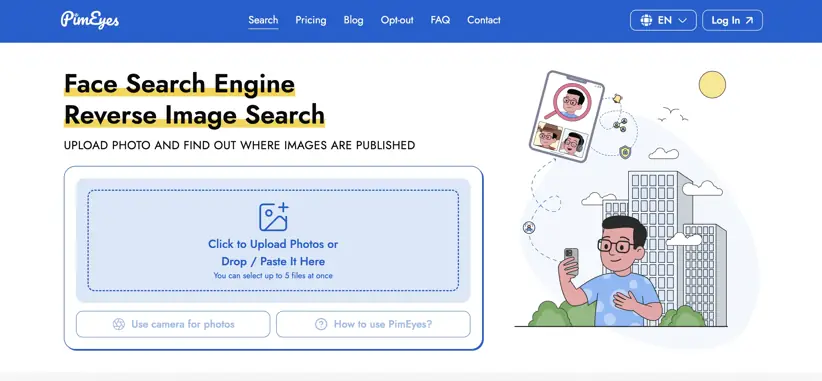
PimEyes has drawn intense scrutiny. Credit: PimEyes / Screenshot
The tool isn’t free. Subscriptions range from £30.99 ($42) to a whopping £300.99 ($407) per month. Premium features even include tools to send takedown requests if your images are used without permission.
The Promise vs. The Problem
On paper, PimEyes sounds like a privacy guardian angel. Influencers and creators, like Kristen Ruby, swear by it to track where their photos are being reposted online without consent.
But here’s the flip side: critics say it’s also a stalker’s dream.
Former Apple engineer Cher Scarlett shared her chilling experience with CNN, explaining how PimEyes resurfaced an old video of her in a harmful context. “This company is a privacy and security mess,” she said.
Privacy watchdogs in the UK, Germany, and the U.S. warn that PimEyes could fuel harassment, doxxing, and cyberstalking. Germany even fined the platform for breaching GDPR regulations, citing “massive endangerment of citizens’ rights.”
What PimEyes Says About the Backlash
Since acquiring the company in 2022, PimEyes owner Giorgi Gobronidze has defended the tool. In an interview with German outlet Netzpolitik, he argued:
“If I am stalking someone I will do it with or without PimEyes. It is the user who is the stalker, not the search engine.”
He also points out that PimEyes is now paywall-protected and includes an opt-out feature for people who don’t want their images searchable.
Still, critics remain unconvinced, calling it a fundamental threat to online privacy.
Should You Use PimEyes?
Like most AI tools, PimEyes is a double-edged sword. It can:
- Protect your digital identity by tracking down unauthorized use of your photos.
- Help influencers and brands remove stolen content.
But it can also:
- Be misused by stalkers or cybercriminals.
- Put sensitive or old images back into circulation without your consent.

Critics say the website could help stalkers. Credit: Carol Yepes / Getty
If you’re considering it, weigh the benefits against the risks. And remember — once something is on the internet, it’s nearly impossible to erase completely.
Final Thoughts
PimEyes shows just how blurry the line between protection and exploitation can be in the AI era. While some people see it as a lifesaver, others see it as a ticking privacy time bomb.
Either way, it’s a reminder to think twice before uploading your photos — because you never know where they might end up.