by
by A Connecticut mom lost 200 pounds in 15 months by changing her diet, building strength, and focusing on long-term habits—here’s what science says works.
Why This Story Resonates With So Many Families
Sustainable weight loss is one of the most challenging health goals people face—especially for parents balancing work, family, and limited time for themselves. Yet one mother’s journey shows that dramatic change doesn’t require extreme diets or “miracle” solutions.
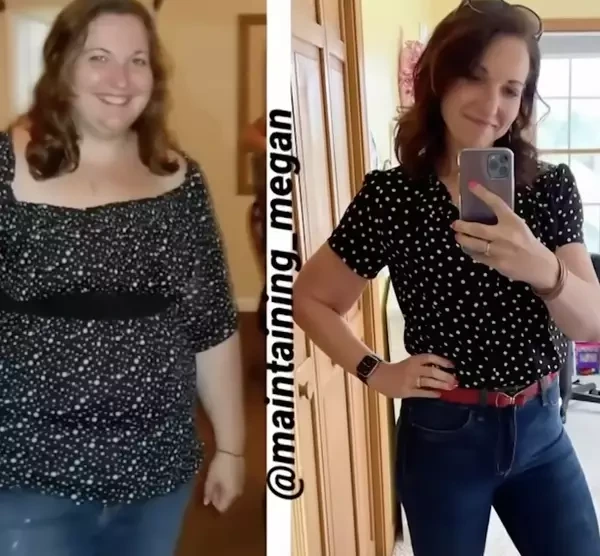
After reaching 350 pounds, a Connecticut mom committed to improving her health so she could be more present for her children. Over 15 months, she lost 200 pounds—and, more importantly, learned how to maintain that weight loss through realistic lifestyle changes.
Her story mirrors what health experts consistently emphasize: long-term success comes from nutrition, strength, movement, and mindset—not shortcuts.
This article explores what made her approach effective, how it aligns with current research, and what lessons may help others pursuing healthier lives.
The Turning Point: Choosing Health for Family and Longevity
At her heaviest, daily life had become physically limiting. Simple activities—climbing stairs, walking long distances, or visiting amusement parks—were exhausting or impossible.
According to the Centers for Disease Control and Prevention, severe obesity is associated with higher risks of heart disease, type 2 diabetes, joint problems, and reduced quality of life. These risks often become more apparent after pregnancy, when weight retention can compound over time.
The decision to change wasn’t about appearance. It was about longevity, mobility, and being able to fully participate in family life—an important motivator supported by behavioral research. Studies suggest people are more likely to sustain health changes when they connect them to meaningful personal values, such as family or independence.
You can explore similar lifestyle-focused health insights in Viralsensei’s Health section.
Phase One: Nutrition First, Not Perfection
Why Diet Changes Drive Early Weight Loss
For the first six months, the focus was entirely on nutrition. This approach is backed by research from the National Institutes of Health, which notes that calorie intake plays a dominant role in early weight loss compared to exercise alone.
Highly processed foods—often high in refined carbohydrates and low in fiber—can lead to overeating due to reduced satiety. According to Harvard Health Publishing, diets emphasizing whole foods, lean protein, and fiber-rich vegetables are associated with better weight control and metabolic health.
Rather than following a fad diet, she focused on:
- Becoming aware of calorie intake
- Reducing processed and ultra-refined foods
- Creating consistent, repeatable eating habits
This resulted in a 100-pound weight loss within six months—an outcome that, while significant, still required a plan for maintenance.
For more science-backed nutrition insights, visit Viralsensei’s Lifestyle section.
Phase Two: Strength Training to Prevent Weight Regain
Why Muscle Matters for Long-Term Success
After the initial weight loss, the focus shifted to preventing regain—a challenge many people face. Research published by the NIH suggests that people who maintain weight loss are more likely to engage in regular resistance training.
Strength training helps by:
- Preserving lean muscle mass during weight loss
- Increasing resting metabolic rate
- Improving insulin sensitivity
According to the Mayo Clinic, muscle tissue burns more calories at rest than fat tissue, making it easier to maintain weight over time.
With the guidance of a fitness coach, she began with manageable goals. These included building strength, improving cardiovascular endurance, and learning proper movement patterns—reducing injury risk and increasing confidence.
This gradual progression aligns with recommendations from the World Health Organization, which advises adults to include muscle-strengthening activities at least twice per week.
Building Endurance: From Walking to Long-Distance Running
Cardiovascular Fitness as a Confidence Builder
As strength improved, cardiovascular endurance followed. What started as short, manageable workouts eventually led to running milestones—5K races, 10Ks, and even a half marathon.
According to the CDC, regular aerobic activity supports:
- Heart and lung health
- Mood regulation and stress reduction
- Improved sleep quality
Running wasn’t mandatory—it was a personal choice that developed naturally over time. Health experts consistently emphasize that the “best” exercise is one someone can sustain long term.
You can find more evidence-based movement and fitness topics in Viralsensei’s Science category.
The Psychological Shift: Celebrating Life, Not the Scale
Why Non-Scale Victories Matter
While weight loss often begins with numbers, long-term motivation tends to shift toward lived experiences.
Being able to:
- Go zip-lining for the first time
- Roller skate with a child
- Enjoy active vacations
These milestones reinforce progress more effectively than the scale alone. Behavioral psychologists note that intrinsic rewards—joy, freedom of movement, connection—are stronger motivators than external validation.
BBC Health reporting highlights that people who reframe health goals around quality of life are more likely to maintain changes beyond one year.
This mindset shift helped sustain momentum well after the initial transformation.
What Science Says About Maintaining Major Weight Loss
Maintaining significant weight loss is notoriously difficult, but research shows it is possible with the right strategies. Common factors among successful maintainers include:
- Consistent meal patterns
- Regular physical activity (especially strength training)
- Ongoing self-monitoring
- Professional support when needed
According to Harvard Health, weight regain is not a personal failure—it reflects biological adaptations. Understanding this can reduce shame and promote proactive, long-term planning.
For more context on long-term wellness strategies, explore Viralsensei’s News section.
This story highlights several evidence-backed principles:
- Sustainable weight loss starts with nutrition awareness, not extreme restriction
- Strength training plays a critical role in keeping weight off
- Progress works best when goals are small, structured, and supported
- Emotional motivation—family, mobility, joy—helps changes last
Every body and situation is different, but the underlying habits align closely with public health guidance from organizations like the WHO, CDC, and NIH.
Losing 200 pounds in 15 months is remarkable—but the true achievement lies in maintaining that progress through sustainable habits. This journey reflects what modern health science supports: consistency, strength, support, and purpose matter far more than quick fixes.
For anyone starting—or restarting—their wellness journey, the most important step is choosing changes that fit real life.
Disclaimer
This article is for informational purposes only and does not constitute medical or professional advice. Always consult a qualified healthcare provider before making decisions related to your health.
Featured Image Credit: TODAY with Jenna & Sheinelle via YouTube