 by
by We all know sleep is important, but let’s be honest—most of us cut corners on it. Whether it’s staying up too late scrolling, binging one more episode, or working past midnight, sleep often takes the hit. But what really happens to your body when you regularly get fewer than 6 hours of rest? Spoiler: it’s not good.
According to Dr. Sue Peacock (consultant health psychologist and sleep expert), long-term sleep deprivation can cause serious issues, from weak immunity to anxiety loops. Let’s break it down.
1. Your Immune System Gets Weaker
When you sleep, your body isn’t just resting—it’s working hard. Your immune system produces protective proteins called cytokines, which fight off infections and help you recover faster when you’re sick.

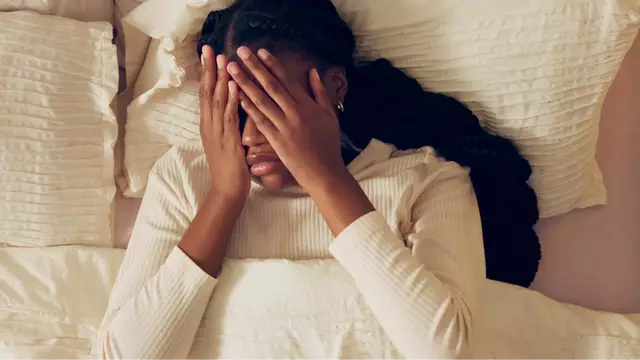
Getting minimal sleep is not great for your health (Maria Korneeva/ Getty)
If you’re skimping on sleep, your body makes fewer cytokines, leaving you more vulnerable to colds, flu, and other infections. In fact, a study from the French National Institute (2023) found that people sleeping less than 6 hours had a weaker immune response to vaccines, especially men.
2. Anxiety Goes Into Overdrive
Ever noticed how a sleepless night makes everything feel 10x more stressful? Lack of sleep and anxiety have a toxic relationship—they feed off each other.
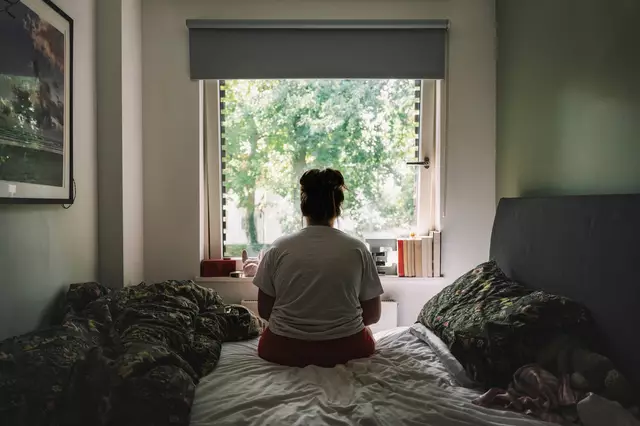
Getting less than six hours sleep can cause anxiety among other things (Justin Paget / Getty)
Sleep expert Dr. Peacock explains that when your brain is stuck in “fight or flight” mode, it’s harder to fall asleep. And worrying about not sleeping? Yep, that just makes it worse. This vicious cycle can leave you restless, moody, and drained.
3. Menstrual Irregularities in Women
Here’s one many people don’t expect: poor sleep can mess with your hormones. Dr. Katharina Lederle, a sleep and body clock specialist, explains that sleep deprivation raises thyroid-stimulating hormone (TSH). High levels of TSH can cause irregular periods, anovulation (when no egg is released), and even increase the risk of miscarriages.
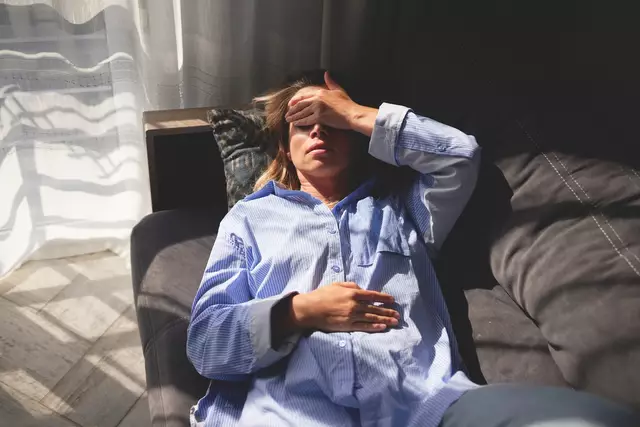
Menstrual irregularities can also be an issue (Ekaterina Goncharova / Getty Stock)
4. Other Side Effects: Weight Gain & Productivity Loss
Chronic sleep loss doesn’t stop there. It’s linked to weight gain, since sleep affects appetite hormones like ghrelin and leptin. Plus, when you’re exhausted, your focus, creativity, and productivity take a nosedive.
So, How Much Sleep Do You Actually Need?
Experts recommend 7–9 hours of sleep per night for adults. A few bad nights here and there won’t ruin your health, but consistently cutting sleep short will catch up with you.
So instead of doomscrolling until 2 AM, try powering down earlier. Your immune system, mental health, and body will thank you.
💡 Quick Tip: Struggling to sleep? Check out resources like the NHS Sleep Guide or try small habits like keeping a regular bedtime, reducing screen time, and cutting caffeine before bed.
✅ Bottom line: Sleep isn’t a luxury—it’s one of the most powerful health tools you already have. So tonight, skip the late-night distractions and grab some extra Z’s. Your body will love you for it.