 by
by Even though most people know smoking is harmful, millions still light up daily. According to the Centers for Disease Control and Prevention (CDC), nearly 49.2 million American adults used tobacco products in 2022 — that’s about one in five adults.
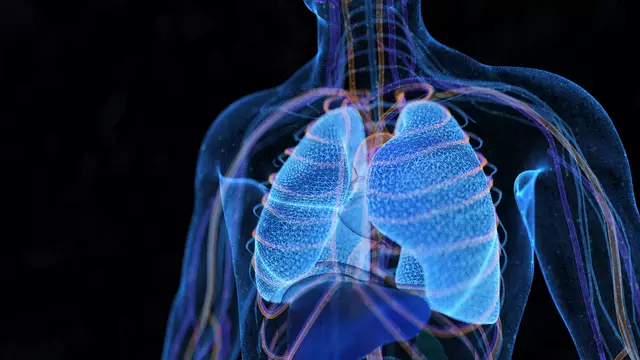
Tobacco use remains the leading cause of preventable disease and death in the United States, contributing to heart disease, lung cancer, and respiratory illnesses. Now, a new 3D simulation by BioMotion 3D visually demonstrates what smoking does to your body in real time — and it might make you rethink your next cigarette.
The Harsh Truth About Every Puff
Research from University College London estimated that each cigarette may reduce life expectancy by around 20 minutes. In other words, a pack a day could shorten your life by nearly seven hours.

Millions of Americans are frequent smokers (Getty Stock Image)
If a person who smokes ten cigarettes a day quits on January 1, they could prevent the loss of a full day of life by January 8, the researchers found. That’s a powerful reminder that every small step toward quitting makes a difference.
What the BioMotion 3D Simulation Shows
🫁 The Lungs
When you inhale cigarette smoke, you’re not just breathing in nicotine — you’re inhaling more than 7,000 chemicals, many of which are known toxins. According to the World Health Organization (WHO), these chemicals damage the airways and tiny air sacs in your lungs over time.
In the BioMotion 3D video, the once pink, healthy lungs gradually darken and fill with sticky tar, making it harder for the body to take in oxygen. Over time, this buildup can lead to conditions such as chronic obstructive pulmonary disease (COPD) and lung cancer, as confirmed by the National Institutes of Health (NIH).
❤️ The Heart
Within seconds of inhaling, nicotine enters your bloodstream, causing your heart rate to rise. The video simulation highlights how blood pressure tightens and the heart is forced to work harder than normal.
According to Harvard Health Publishing, smoking contributes to the buildup of plaque in arteries (atherosclerosis), which increases the risk of heart attack and stroke. Even light or “social” smoking can strain the heart and reduce oxygen supply to muscles.
🧠 The Brain
Nicotine also targets the brain, triggering a release of dopamine, the chemical linked to pleasure and calm. However, experts warn this feeling is temporary. As nicotine levels drop, the body experiences cravings, anxiety, and fatigue, often leading to another cigarette.
This cycle of reward and withdrawal is one of the main reasons smoking is so addictive. The CDC notes that nicotine addiction can begin within a few days of regular smoking.
Secondhand Smoke: The Hidden Impact
It’s not just smokers who are affected. The video also emphasizes the dangers of secondhand smoke, which can harm the lungs and heart of those nearby — including children and pets.
The CDC reports that exposure to secondhand smoke causes over 41,000 deaths annually in the U.S., mostly due to heart disease and lung cancer in non-smokers.
Steps Toward Quitting for Good
The good news? It’s never too late to quit. Within hours of stopping, blood pressure and heart rate begin to normalize. Within weeks, lung function improves, and within a year, the risk of heart disease is cut in half, according to the American Lung Association.
Here are a few expert-backed strategies:
- Set a quit date and prepare mentally.
- Seek support through counseling or quit-smoking programs.
- Use FDA-approved aids like nicotine patches or lozenges if recommended by your doctor.
- Stay active — exercise helps reduce cravings and improve mood.
For more support, visit the American Lung Association’s Freedom From Smoking program for personalized resources and expert advice.
Why This Video Could Change Minds
Visual demonstrations like BioMotion 3D’s simulation can be powerful because they make invisible damage visible. By showing how smoke travels through the lungs and bloodstream, it helps viewers understand that each cigarette has an immediate, physical impact — not just long-term risks.
As public health campaigns evolve, experts hope that educational tools and accessible quit resources can help more people take their first step toward a smoke-free life.
Related on Viralsensei.com
- Man Who Vaped Every 10 Seconds Warns Others of Dangers
- Study Reveals How Weekend Smoking Can Shorten Lifespan
- Experts Explain How Sleep Helps the Body Repair Damage
- What Happens to Your Body When You Quit Sugar for 30 Days
- The Science Behind Why Your Brain Craves Caffeine
External Credible References
- Centers for Disease Control and Prevention (CDC)
- World Health Organization (WHO)
- Harvard Health Publishing
- National Institutes of Health (NIH)
- American Lung Association
🩺 Conclusion
Every cigarette has an immediate impact on your body — from your lungs and heart to your brain. But it’s never too late to quit. Even a few smoke-free days can start reversing damage and improving health.
If you or someone you know is trying to stop smoking, professional resources and community support can make all the difference.
Disclaimer:
This article is for informational purposes only and does not constitute professional medical advice. Always consult a qualified healthcare provider before making decisions about your health.