 by
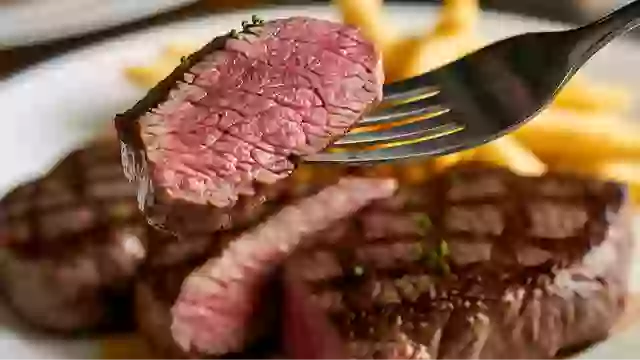
by When it comes to meat, everyone has their own preferences. Some people like their steak cooked until it’s brown all the way through, while others happily enjoy a juicy, pink medium-rare ribeye. But here’s the question: why is it safe to eat beef that’s still rare, yet chicken must be cooked until it’s completely done?
The answer is simple (and pretty fascinating) — it all comes down to the way the meat is structured and where harmful bacteria live.
Why Rare Steak Is Safe (Most of the Time)
Beef steaks are essentially single cuts of muscle. That means if bacteria (like E. coli) get onto the meat, they’re usually only found on the outer surface. Once you sear or grill the outside of a steak, those germs are destroyed — leaving the inside safe to eat even if it’s still rare or pink.
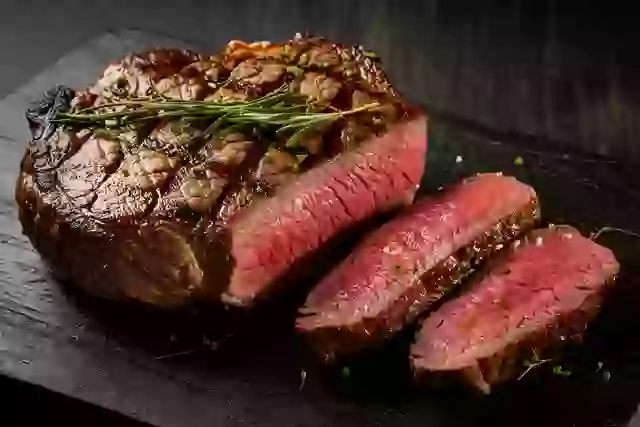
Many people eat beef rare (Getty Stock Photo)
That’s why many people confidently order their steak rare or medium-rare without worry. Of course, ground beef is different. Since it’s minced, bacteria from the outside gets mixed into the inside, which is why burgers should always be cooked thoroughly.
Why Chicken Must Always Be Cooked Through
Chicken is another story altogether. According to the CDC, raw poultry can carry bacteria like Salmonella, Campylobacter, and Clostridium perfringens. Unlike steak, chicken isn’t a dense single cut — bacteria can spread more easily throughout the meat, not just on the surface.

Chicken must be cooked through (Getty Stock Photo)
This means that if chicken isn’t fully cooked (to an internal temperature of 165°F/74°C), harmful bacteria can survive inside the meat, making you sick.
The Risks of Undercooked Chicken
The CDC estimates that about 1 in 25 packages of chicken at grocery stores are contaminated with Salmonella. Every year, around 1 million people in the U.S. get sick from contaminated poultry.

Undercooked chicken is a major source of food poisoning (Getty Stock Photo)
Symptoms of food poisoning from undercooked chicken include:
- Diarrhea
- Stomach cramps
- Fever
- Nausea and vomiting
- Chills and headaches
- Blood in stool
Most cases last a few days, but severe illness can lead to dehydration or hospitalization. If symptoms persist or worsen, medical help is essential.
How to Stay Safe with Chicken
To avoid foodborne illness:
- Always cook chicken until the juices run clear and the inside is white (or use a food thermometer to check it hits 165°F).
- Store raw chicken on the bottom shelf of the fridge to prevent cross-contamination.
- Wash your hands with soap for at least 20 seconds after handling raw poultry.
For more safe cooking tips, check out USDA food safety guidelines.
The Takeaway
Steak and chicken may both be delicious, but they play by different food safety rules. Rare beef can be a treat because bacteria stay on the outside, while chicken must always be cooked through to avoid dangerous bacteria lurking inside.
So next time you’re at a restaurant? Order your steak however you like — but when it comes to chicken, well-done is the only safe option.