by
by It started as a small shortcut.
It ended with unbearable pain, temporary blindness, and a warning this woman says she wishes she’d heard years earlier.
A UK nurse has shared how misusing contact lenses nearly cost her sight, turning a habit she thought was harmless into a life-altering health scare.
A habit that quietly spiraled
Katie Carrington was prescribed glasses as a teenager but switched to daily disposable contact lenses at 17. Like many people, she found them more convenient than glasses, especially for social events and busy days.
At first, she occasionally forgot to remove them after a night out.
Over time, that slip became routine.
She began wearing single-use lenses overnight, then for several days in a row. Eventually, she admits she sometimes left them in for weeks, removing them only when her eyes became painfully dry.
What’s often overlooked is how easy it is for “just this once” to turn into a long-term pattern.
Why daily lenses are different
Daily disposable lenses are designed to be worn once and discarded. According to the NHS and other eye-health authorities, reusing them can increase the risk of infection, inflammation, and corneal damage.
Unlike reusable lenses, daily contacts aren’t built to withstand extended wear or repeated exposure to bacteria. Misusing them can create the perfect environment for serious eye problems to develop.
This is similar to other health risks that build slowly over time, like those highlighted in warnings about delaying care or ignoring early symptoms, such as in this report on people who procrastinate with health decisions.
The morning everything changed
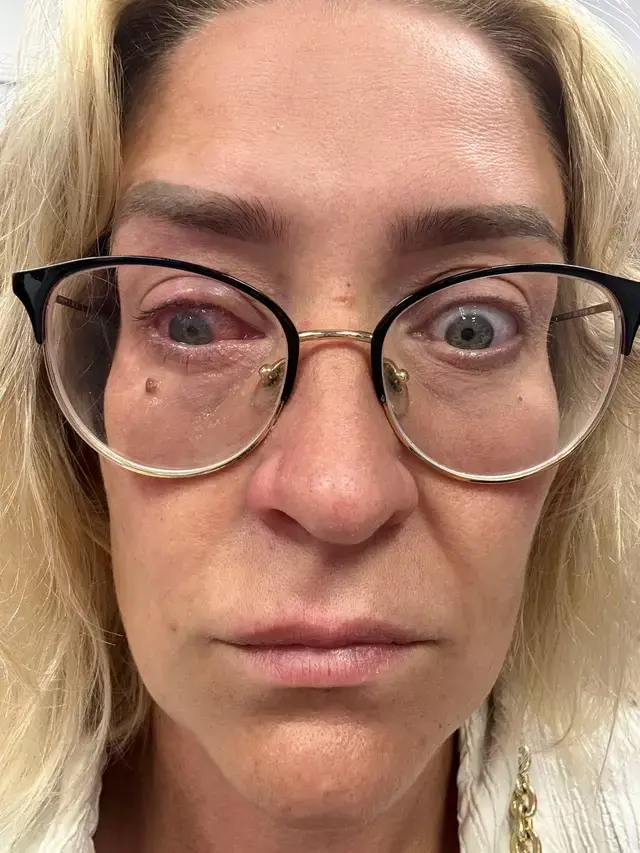
In August 2025, Katie woke up with intense pressure and streaming eyes. By the next day, the pain had escalated dramatically.
She later described it as worse than giving birth.
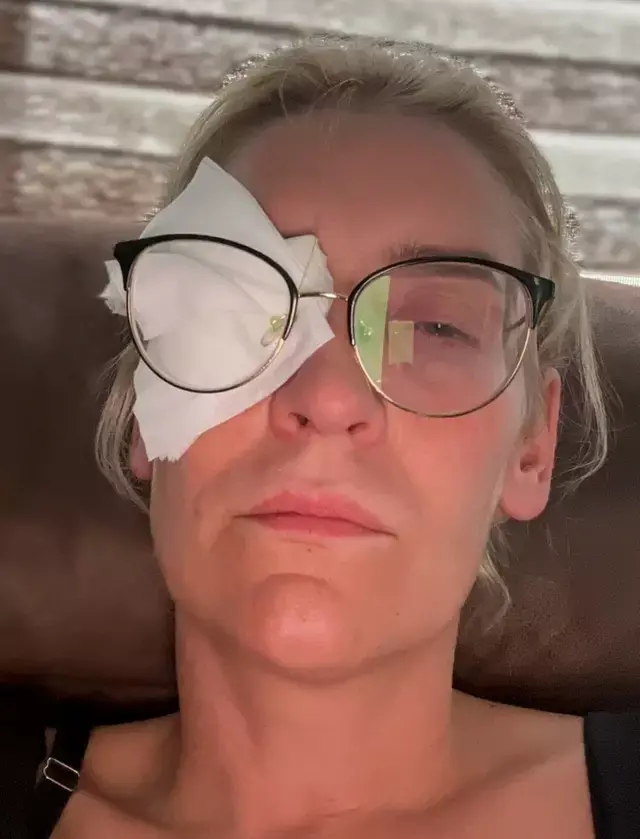
Her vision in her right eye was gone. Doctors were unsure whether it would return.
For a mother of four, the emotional impact was devastating. She feared she wouldn’t be able to watch her children grow up and described losing her independence almost overnight.
Living with sudden vision loss
Simple tasks became overwhelming.
Pouring a bottle, chopping food, moving safely around the house — all required intense concentration.
Even though only one eye was affected, depth perception and balance were suddenly unreliable. That matters because vision loss doesn’t just affect eyesight; it changes how people move, work, and care for others.
Health experts often stress how interconnected daily habits are with long-term wellbeing, a theme echoed in broader public health advice such as guidance on hydration and its effects on the body.
Recovery — and a permanent change
Fortunately, Katie’s sight eventually returned. But the experience left a lasting mark.
She has sworn off contact lenses entirely and now speaks openly about what she sees as a lack of awareness around their risks.
She doesn’t deny responsibility for her choices. What surprised her most was how long she “got away with it” before facing consequences.
That false sense of safety is something doctors often warn about in many areas of health, from sleep deprivation to overlooked infections, like those discussed in broader sleep health guidance.
A message for contact lens wearers
Katie now urges others to read safety instructions carefully and take eye health seriously. Contact lenses are medical devices, not cosmetic accessories.
Her story isn’t about fear. It’s about awareness — and understanding that convenience should never outweigh long-term health.
Because sometimes, the risks don’t show up right away. And when they do, the impact can be life-changing.
This article is for informational purposes only and is not intended as medical advice. Always consult a qualified healthcare professional before making any changes to your health, diet, or treatment.
Featured Image Credit: SWNS