 by
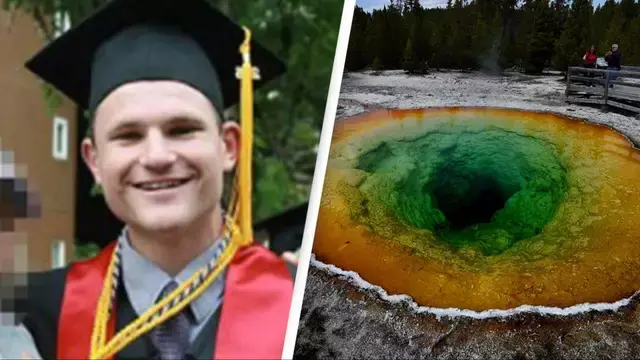
by In one of the most tragic accidents in Yellowstone’s history, 23-year-old Colin Scott lost his life after falling into a boiling volcanic hot spring while attempting an illegal activity known as hot potting — soaking in a thermal pool.
Yellowstone’s geothermal areas are among the most dangerous natural environments on Earth, where surface water temperatures can exceed 199°F (93°C). Beneath the surface, the heat intensifies even more, creating acidic and mineral-rich pools capable of dissolving organic material within hours.
🔗 Official Source: National Park Service – Geothermal Safety Guidelines
If you enjoy reading stories about environmental science and nature’s power, visit our Science section for more insights.
🔥 What Is Hot Potting and Why It’s So Dangerous
“Hot potting” may sound adventurous, but in Yellowstone, it’s deadly. The park sits atop a supervolcano, and its underground magma heats groundwater into acidic, mineral-filled boiling pools.
These hot springs are not suitable for swimming. The extreme heat and chemical composition can instantly cause fatal burns and destroy human tissue.
If you’re curious about the connection between natural minerals and wellness, explore our Health category for safe, science-backed information about thermal therapies and wellness trends.
🔗 Related Reading: Live Science – Why Yellowstone’s Hot Springs Are So Deadly
⚠️ The Tragic Fall of Colin Scott
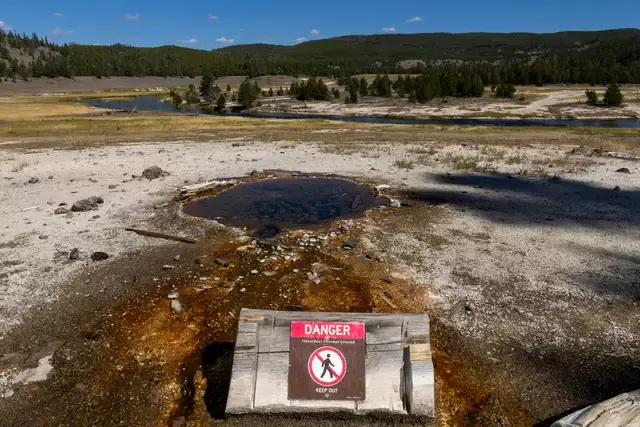
In June 2016, Colin Scott and his sister visited the Norris Geyser Basin area. While testing the temperature near a thermal spring, he slipped and fell in.
Rangers were alerted immediately, but a thunderstorm forced them to pause recovery efforts. When they returned the next day, Scott’s body had completely dissolved, leaving only his wallet and sandals floating on the surface.